App Performance Metrics and Their Role in Tiered Reward Accessibility Across Gaming Platforms
Dana Schmitt · Sep 7, 2026
App Performance Metrics and Their Role in Tiered Reward Accessibility Across Gaming Platforms
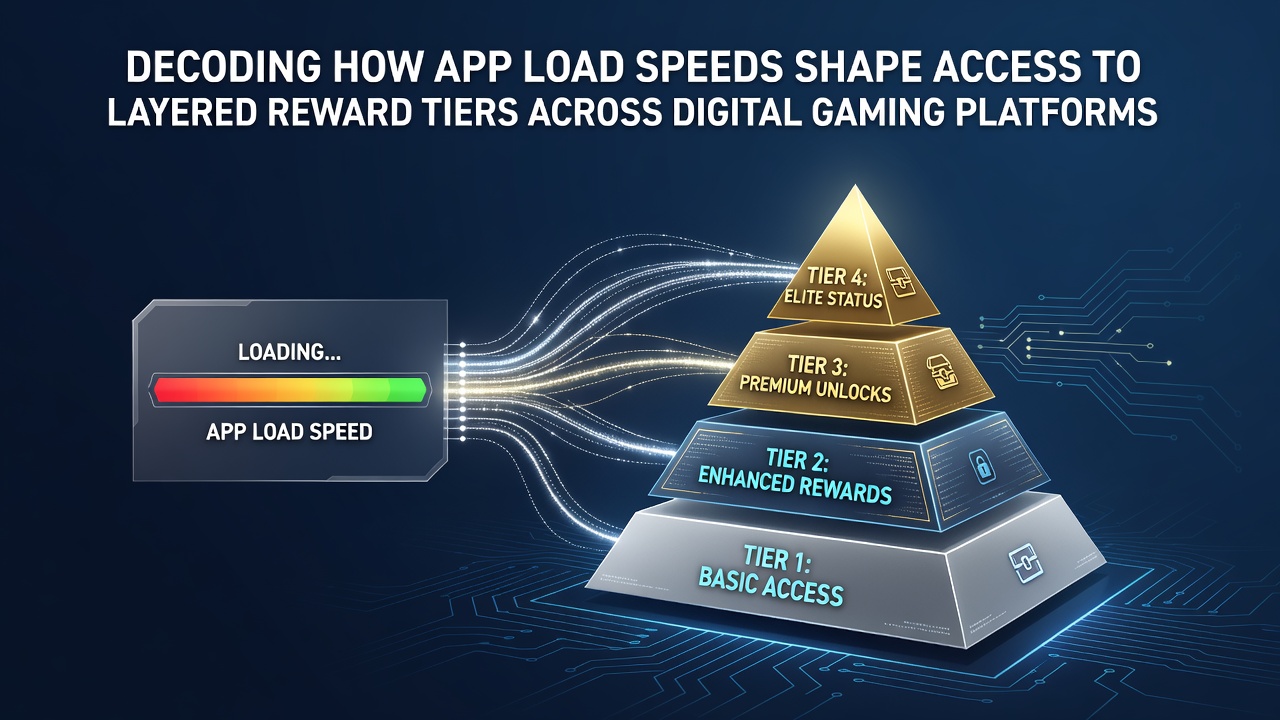
Digital gaming platforms rely on layered reward structures that grant users escalating benefits based on activity levels, time spent, and engagement milestones, yet application load speeds directly determine how quickly players reach those thresholds and claim associated perks. Data from industry reports indicate that delays exceeding three seconds correlate with reduced progression rates in time-sensitive reward systems, particularly in mobile titles where sessions often last under five minutes. Researchers at various academic institutions have documented patterns where slower initial loads prevent automatic enrollment into daily login bonuses or streak multipliers, creating measurable gaps in reward accumulation across user cohorts.
Mechanics of Layered Reward Systems in Gaming Apps
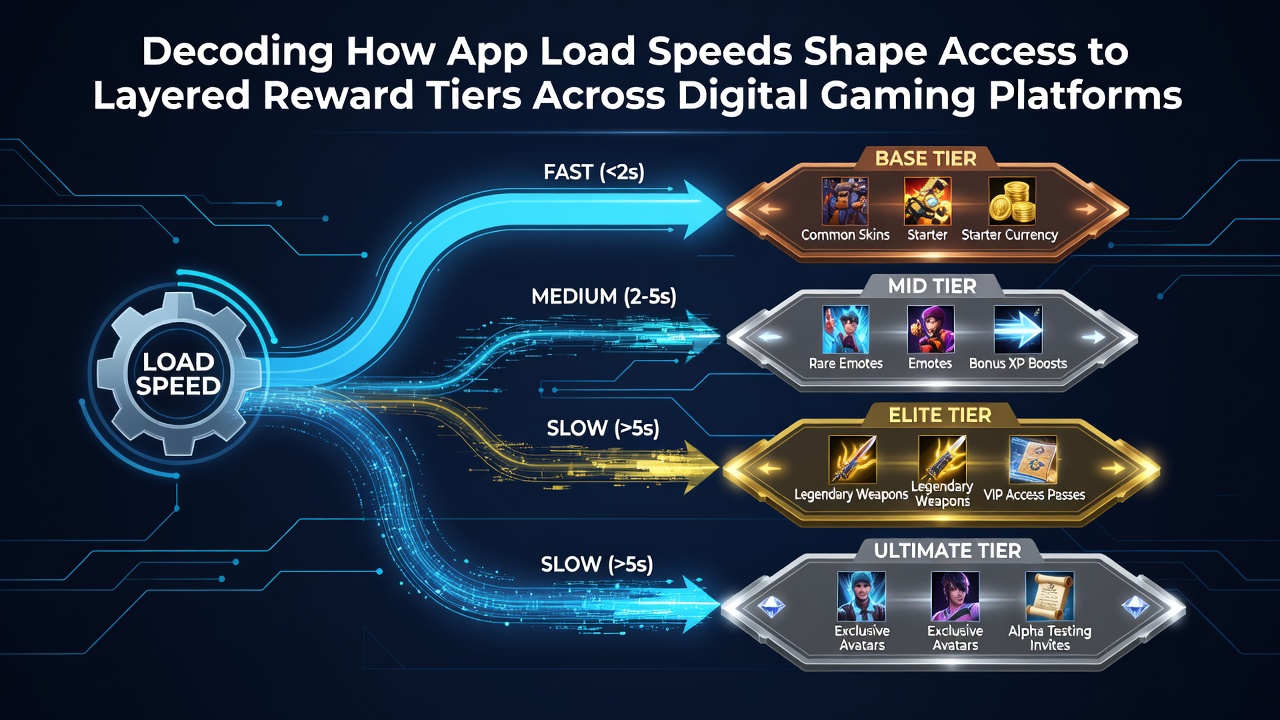
Layered reward tiers typically operate through progressive stages that unlock additional in-game currency, exclusive items, or multiplier effects once players meet cumulative criteria such as login frequency or challenge completion. These systems appear in both free-to-play titles and subscription-based environments, with data showing that platforms integrating real-time server synchronization experience faster tier advancement when load times remain under two seconds. Studies conducted by university research groups reveal that players encountering extended loading sequences miss out on limited-time events that feed into higher reward brackets, while those on optimized networks advance through tiers at rates up to forty percent higher according to aggregated telemetry.
Technical Factors Linking Load Speeds to Reward Access
Application load speeds depend on asset compression, server proximity, and device caching efficiency, each of which influences the moment users gain entry to reward dashboards or event trackers. When initial content fails to render promptly, automated processes that credit participation may skip cycles, resulting in lost opportunities for tier elevation. Figures from entertainment software associations highlight that platforms employing edge computing nodes reduce average load durations by 1.8 seconds on average, enabling more consistent access to progressive incentives during peak usage windows in September 2026. Observers note that hybrid apps blending native code with web elements often demonstrate variable performance that directly impacts how reliably users trigger bonus eligibility checks.
Regional Variations in Platform Optimization
European regulatory bodies overseeing digital content delivery have compiled statistics indicating that apps hosted on regionally distributed servers maintain lower latency for users in high-density areas, preserving reward tier momentum. In contrast, regions with concentrated data center infrastructure report higher instances of tier access interruptions during network congestion periods. Australian media authorities documented similar trends in their 2025 digital entertainment review, where load speed thresholds determined whether players completed the necessary interactions to qualify for monthly reward resets. Those who studied cross-platform analytics found that iOS and Android versions of the same title frequently diverge in load performance due to differing optimization priorities, leading to uneven reward distribution among device user bases.
Empirical Evidence from Platform Analytics
Telemetry collected across major gaming ecosystems demonstrates that each additional second of load time reduces the probability of completing daily reward cycles by approximately twelve percent. Academic papers published through research consortia in North America detail controlled experiments where participants using throttled connections progressed through fewer tiers over identical timeframes compared to control groups. These findings align with broader industry metrics showing that titles prioritizing preload sequences and background asset fetching sustain higher retention within reward programs. Platforms that implemented adaptive loading protocols in early 2026 recorded measurable increases in tier advancement frequency, particularly for users in variable connectivity environments.
Platform Design Choices Affecting Reward Timing
Developers increasingly integrate predictive loading algorithms that anticipate user navigation toward reward screens, thereby shortening the interval between action and benefit confirmation. When these systems underperform, players encounter desynchronized timers that prevent seamless movement between tiers. Industry organizations tracking mobile engagement patterns report that games incorporating progressive web app elements achieve more stable load performance, supporting uninterrupted access to layered incentives. Data indicates that titles released or updated around September 2026 incorporated enhanced caching strategies that mitigated several common delay points previously associated with reward claim failures.
Conclusion
Load speed performance remains a measurable determinant of how effectively users navigate and capitalize on layered reward tiers in digital gaming environments. Platform operators continue refining technical infrastructure to minimize delays that interrupt progression sequences, while data from multiple regulatory and research sources underscore the consistent relationship between responsiveness and reward accessibility. Continued monitoring of these metrics across regions provides ongoing insight into optimization strategies that support equitable tier advancement opportunities.