Payment Processing Systems Reshaping Introductory Incentives Across Digital Entertainment Platforms
Ben Schmid · Nov 2, 2026
Payment Processing Systems Reshaping Introductory Incentives Across Digital Entertainment Platforms
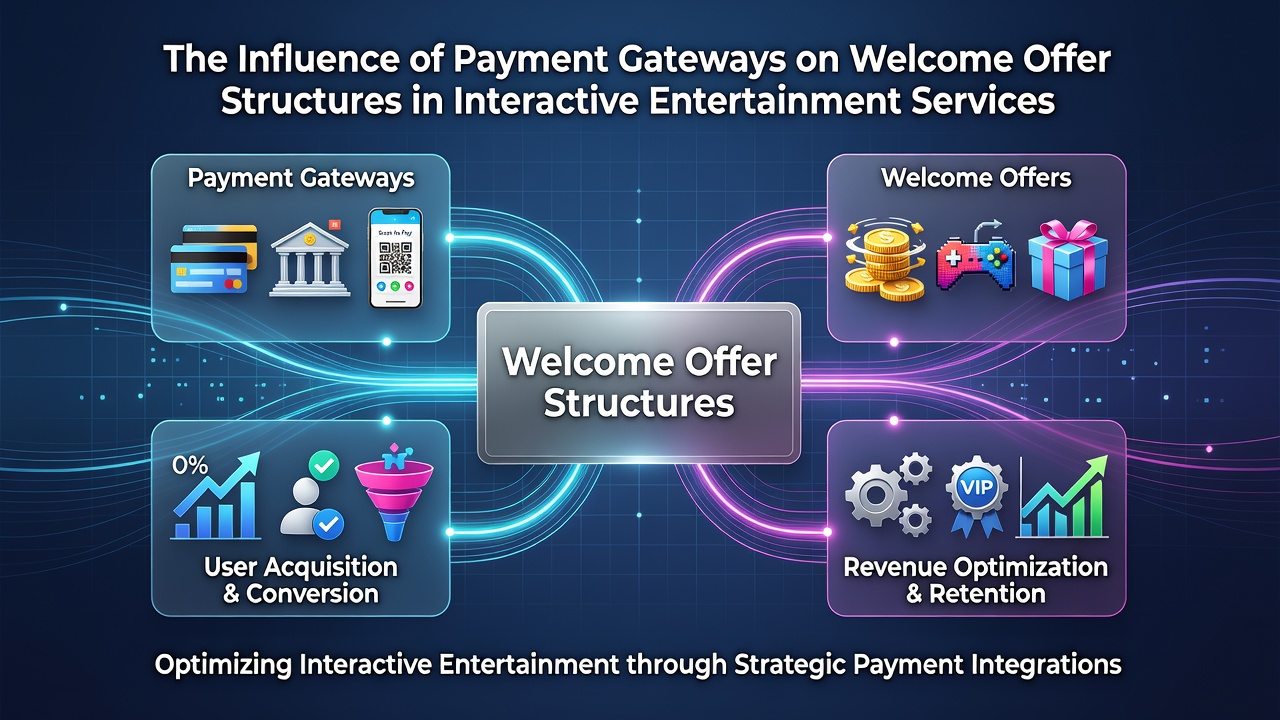
Payment gateways serve as the backbone for transactions in interactive entertainment services, where operators structure welcome offers around factors like processing fees, settlement times, and regional availability; these elements directly determine the size and format of sign-up incentives such as free subscription tiers, in-app credit bundles, or discounted access periods. Data from industry reports shows that platforms using lower-fee gateways can allocate more resources toward user acquisition promotions, while those reliant on higher-cost options often limit offer generosity to maintain margins.
Core Mechanics Linking Gateways and Offer Design
Operators in video streaming, cloud gaming, and virtual event platforms evaluate gateway characteristics before finalizing welcome structures, and this assessment covers transaction speed alongside security certifications that influence consumer trust levels. Research indicates faster gateways enable instant credit delivery upon sign-up, which in turn supports time-sensitive offers like 30-day premium trials or bundled digital content packs. Slower options, by contrast, push providers toward deferred rewards that activate after initial verification steps.
Fee Structures and Bonus Allocation
Transaction fees ranging from 1.5% to 3.5% per payment vary by gateway provider and card type, and these percentages shape the financial room available for welcome incentives. When platforms integrate gateways with volume-based discounts, they frequently expand offer parameters to include higher-value starting credits or multi-month access extensions. Studies conducted by academic institutions have documented cases where a 0.8% fee reduction correlated with a measurable increase in promotional budgets across European and North American services.
Regional regulations further complicate these calculations, and providers must align gateway selections with local consumer protection rules that dictate disclosure requirements for any attached conditions on welcome offers. In Australia, for instance, the Australian Competition and Consumer Commission has issued guidelines on transparent promotional terms, which affects how operators present gateway-dependent bonuses to new users.
Gateway Types and Their Distinct Influences
Credit card processors, digital wallets, and bank transfer systems each bring unique attributes that operators weigh when building entry offers. Digital wallets often support recurring billing with minimal friction, allowing services to extend welcome packages that include automatic upgrades after the initial period. Bank transfers, while carrying lower fees in certain markets, introduce delays that lead to conditional offers requiring users to complete a first funded transaction before unlocking full benefits.
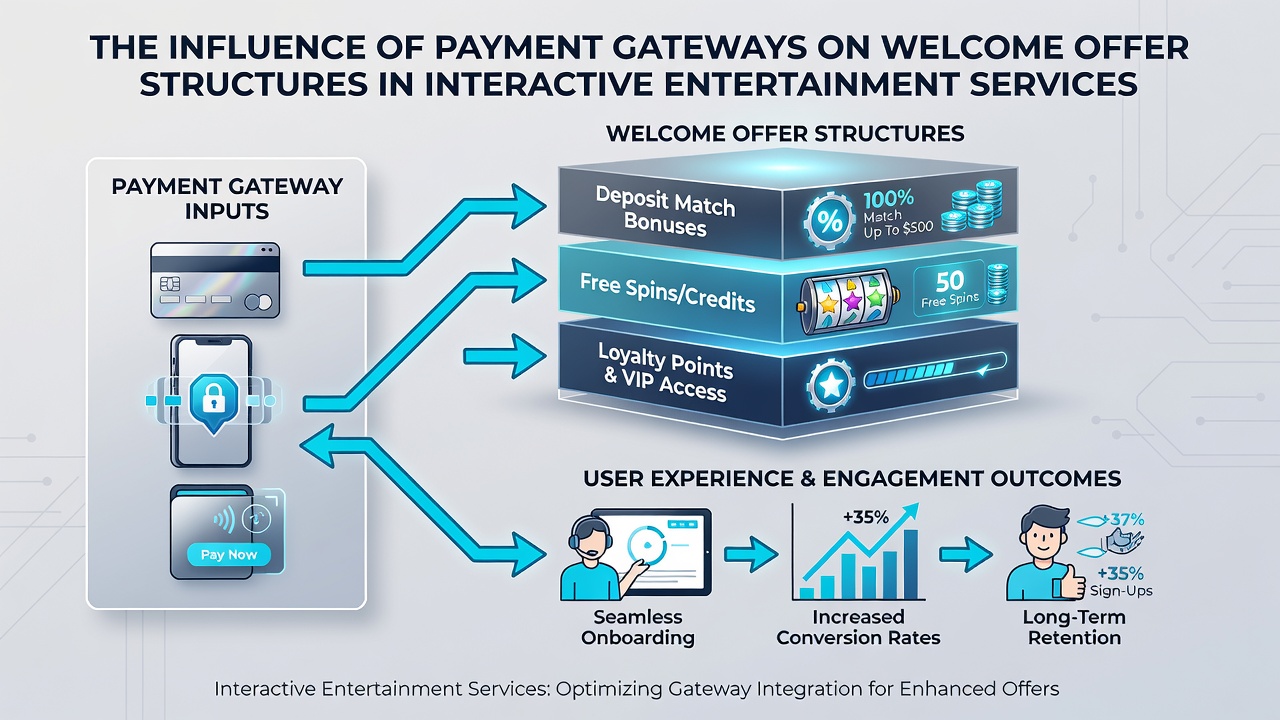
Integration complexity also plays a role, and platforms that adopt multiple gateways simultaneously gain flexibility to tailor offers by user location or preferred method. Observers note that services active in November 2026 have begun testing hybrid models where users selecting premium gateways receive enhanced starting bundles, such as additional virtual currency or exclusive content previews, while standard options retain baseline incentives.
Security Protocols and User Acquisition
Advanced fraud detection layers embedded in certain gateways reduce chargeback rates, and this reliability encourages operators to offer larger welcome credits without inflating reserve funds. Data compiled by research organizations reveals that platforms emphasizing high-security gateways report higher conversion rates on promotional campaigns because users perceive lower risk during the sign-up process. Conversely, gateways with lighter verification steps sometimes prompt more conservative offer designs to offset potential disputes.
Cross-border capabilities introduce another layer, and gateways supporting multiple currencies allow international services to standardize welcome offers while adjusting for exchange fluctuations. Trade associations tracking digital entertainment markets have recorded instances where currency-optimized gateways enabled consistent promotional values across continents, reducing the need for region-specific adjustments that complicate marketing strategies.
Emerging Patterns in Offer Customization
Recent platform updates demonstrate how gateway partnerships drive experimentation with tiered welcome structures, and these tiers often correspond directly to the selected payment method at registration. Providers using gateways with instant payout features can promote immediate access rewards, whereas those depending on batch processing lean toward progressive unlocking systems that release benefits over several days. Figures released by university-led digital economy studies highlight a growing correlation between gateway diversity and the complexity of promotional menus presented to new accounts.
Consumer behavior data further informs these decisions, and analytics show that users in certain demographics respond more favorably to offers tied to familiar gateway brands. Services monitoring these trends adjust their structures accordingly, sometimes highlighting specific payment options within marketing materials to maximize uptake of associated incentives.
Conclusion
Payment gateways continue to exert measurable influence over welcome offer architecture in interactive entertainment services through their impact on costs, speeds, and compliance requirements. As platforms expand globally, the interplay between these systems and promotional design will likely intensify, with operators refining strategies based on performance metrics tied to each gateway. Industry participants who monitor these dynamics position themselves to deliver incentives that align with both user expectations and operational realities.